


Be first to read the latest tech news, Industry Leader's Insights, and CIO interviews of medium and large enterprises exclusively from The Cyber Security Review

.
Securing Data and Privacy with Zero Trust
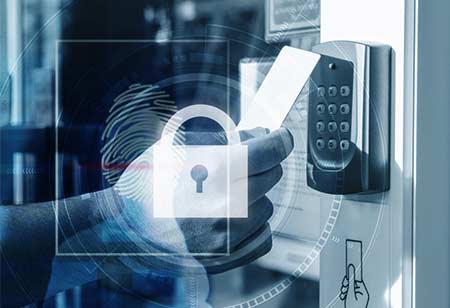
Companies can safeguard all of their resources, including assets, services, processes, and network accounts, by controlling and monitoring user access to devices, networks, and apps.
As technology advances and the world becomes more connected, businesses are faced with a growing need for data privacy, risk management, and cybersecurity. The importance of these issues has been magnified recently and many businesses plan to upgrade IT and data security to reduce corporate risks. This includes security and data protection measures to safeguard their data. In addition, many are planning to accelerate the move to the cloud as a service. This highlights the need for companies to adopt a zero-trust security approach for the cloud to ensure continuous high performance and aim for new heights.
This approach has three key principles: all entities and users are malicious by default until authorised, the least privileged access is enforced, and extensive security monitoring is in place. All users, devices, and systems need to be authenticated, reverified, and continuously monitored when accessing networks, systems, and data.
By adopting this approach, companies can reduce the risk of data breaches, cyberattacks, and other security threats. One of the best practices for putting an enterprise security plan in place that utilises zero trust concepts is to define clear security roles and responsibilities. Ensuring security is always a shared responsibility between companies and their cloud transformation partners. By defining the roles and responsibilities up front, companies can ensure that there is a clear strategy and plan to monitor and implement security policies and measures.
An alternative best practice is to focus the zero trust security approach on five pillars: users, devices, networks, applications, and monitoring. By regulating and monitoring user access to devices, networks, and applications, companies can protect all their resources, including assets, services, workflows, and network accounts. Identifying management systems that can manage privileged user authentication and access at a very granular level is crucial. This includes keeping administrative accounts separate from corporate accounts and applying encryption to several layers in the IT environment. Data classification makes it possible to associate the security levels with specific types of data, regardless of the data position, in the cloud, at endpoints, or in owned data centres.
Though managing the complexity of security needs for cloud transformations can be daunting, companies can scale their security needs much faster in the cloud. Benefits include better automation capabilities as well as higher storage and data capacity in the cloud. Companies can push infrastructure as code and fix security problems in real-time when operating in the cloud. Automation also helps in increasing the maturity of identity management and security management systems. Companies should embrace cybersecurity as a differentiator to promote greater stakeholder trust and better use of cloud-native solutions that take advantage of the cloud’s full potential.
By defining clear security roles and responsibilities, focusing on five pillars, and scaling security needs faster with the cloud, companies could make an identity of their own with the zero-trust security approach. It is essential to remember that ensuring security is a shared responsibility between companies and their cloud transformation partners. The best way to approach it is by defining the roles and responsibilities up front, ensuring a clear strategy and plan to monitor and implement security policies and measures.
The articles from these contributors are based on their personal expertise and viewpoints, and do not necessarily reflect the opinions of their employers or affiliated organizations.
